

Most investors still think of Rocket Lab as a launch company. The Q3 2026 results filed November 9 suggest that frame is increasingly wrong, and that the more interesting business is the one building the hardware those rockets carry.
Rocket Lab posted a record quarter, with revenue up 73% to $267.8 million. The headline figure matters less than what drove it. The year-on-year revenue increase of approximately 73% was delivered primarily through space systems revenue growth, with launch contributing a far smaller share of the increase. The rocket is the brand. The factory is the business.
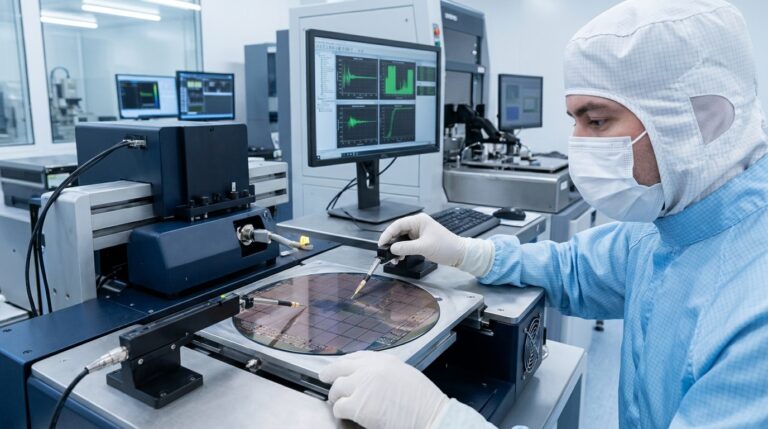
Space Systems contributed $214.8 million, roughly 80% of total sales, while Launch Services brought in $53.1 million. Two years ago, that ratio was closer to even. The shift matters because satellite manufacturing carries fundamentally different economics: longer contracts, stickier customer relationships, and the kind of predictable revenue that earns a premium valuation. Charlie Munger spent decades arguing that the best businesses create recurring obligations, not recurring sales pitches. Rocket Lab’s Space Systems segment is beginning to look like that.
The backlog tells the same story. Backlog rose 52% in a single quarter to a record $3.57 billion, with roughly $1 billion from new launch contracts signed during Q3 alone covering Electron, HASTE, and Neutron missions, and an additional $470 million in new Space Systems contracts. The launch backlog now stands at 117 missions, including 16 Neutron missions. For context, $3.57 billion is more than five times the revenue Rocket Lab generated across all of 2025. The company is not scrambling for the next contract. It is working down a substantial queue.
The Space Systems backlog deserves particular attention. Space Systems revenue reached $214.8 million in Q3, driven by spacecraft manufacturing growth and acquisitions, with the segment’s backlog expanding to $1.72 billion, accounting for 48% of total corporate backlog. That is a business scaling fast enough to change Rocket Lab’s identity, not just its revenue line.
The constellation operators filling Rocket Lab’s backlog are not building in a vacuum. SpaceX’s own post-IPO debate centers on whether its launch dominance translates into durable margin advantage over rivals competing for the same medium-lift demand.
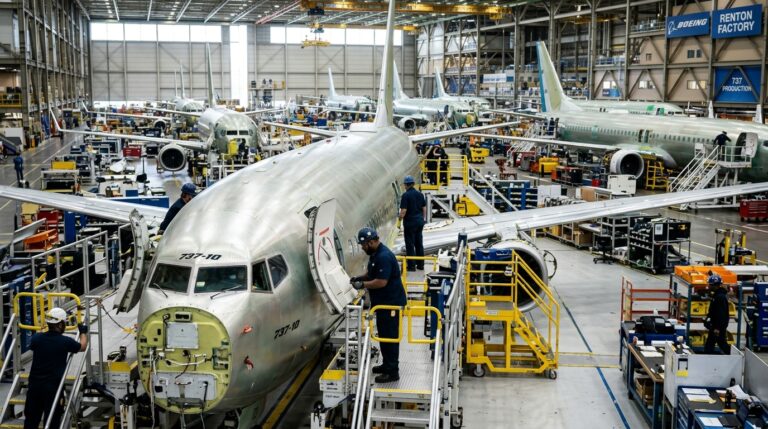
Neutron is the complicated part. The rocket’s first launch is now targeted for no earlier than 2027, after Rocket Lab cited manufacturing issues that pushed the timeline back. The delay is real, and the ongoing cash burn is real. Adjusted EBITDA loss stood at $18 million, with continued cash burn expected from Neutron investment. Yet the market for a Neutron launch is already firming. Rocket Lab said it secured more than $515 million in Neutron launch contracts in Q3, growing Neutron’s backlog to 16 missions and lifting the base launch price to $70 million for several missions as industry capacity tightens. Disciplined pricing ahead of a first flight suggests real demand from constellation operators who need medium-lift capacity and do not want their entire manifest dependent on one provider.
What Could Go Wrong
The risks are not trivial. Neutron’s technical and manufacturing setbacks have pushed costs higher, and each delay extends the period of adjusted EBITDA losses. SpaceX’s Starship, if it achieves reliable reusability, could structurally reshape the medium-lift market before Neutron ever reaches orbit. And the Iridium acquisition, however strategically coherent, introduces integration risk and balance sheet complexity. Rocket Lab’s filings discuss charges tied to its Iridium financing plan, including a loss on extinguishment of debt related to terminating a bridge loan commitment before any borrowings were drawn. These are not footnotes.
The Long-Term Verdict
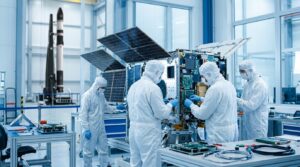
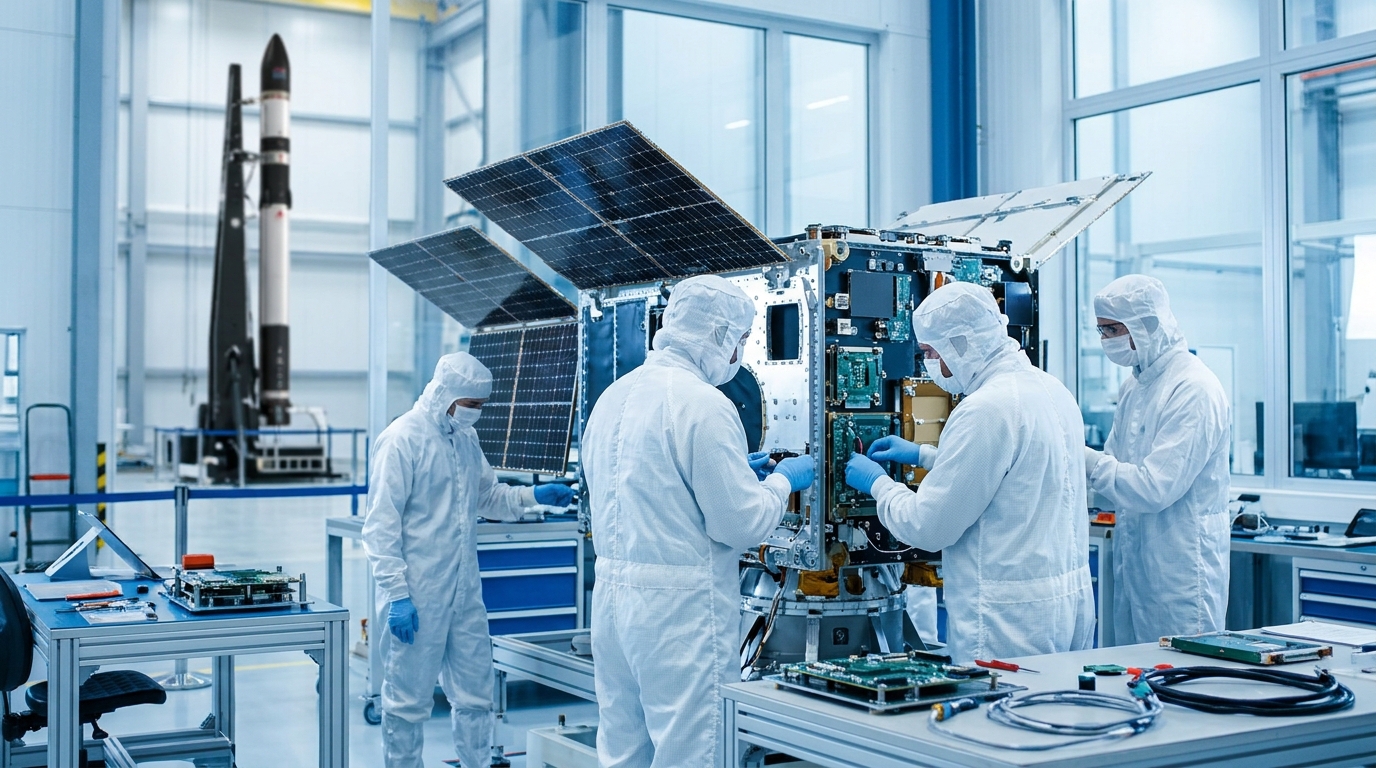
The question a disciplined long-term investor should ask about Rocket Lab is not whether Neutron launches on schedule. It is whether the Space Systems business, now accounting for about 80% of revenue and 48% of the backlog, is building a durable competitive position in satellite manufacturing. Rocket Lab has said Space Systems production is running at maximum clean-room capacity, with output increasing across satellite component lines to support its record backlog. That is a constrained-supply, high-demand manufacturing operation. Historically, those have rewarded patient owners. The launch business is the story. The factory is the asset.