


Pricing power is only as durable as the buyer’s lack of options. That principle is now being stress-tested against two of the world’s most valuable memory franchises.
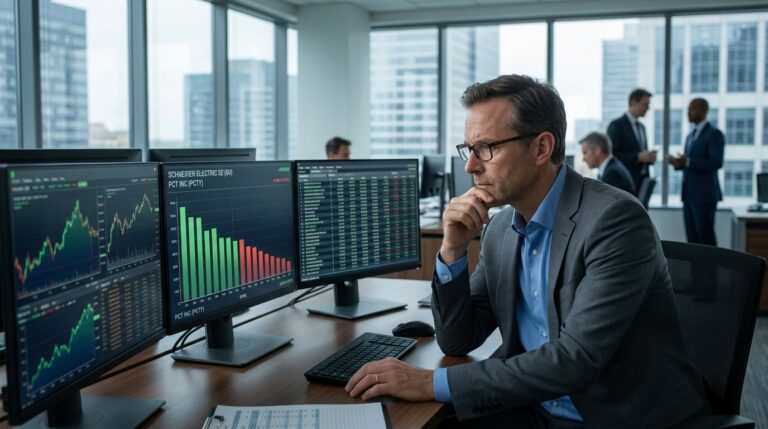
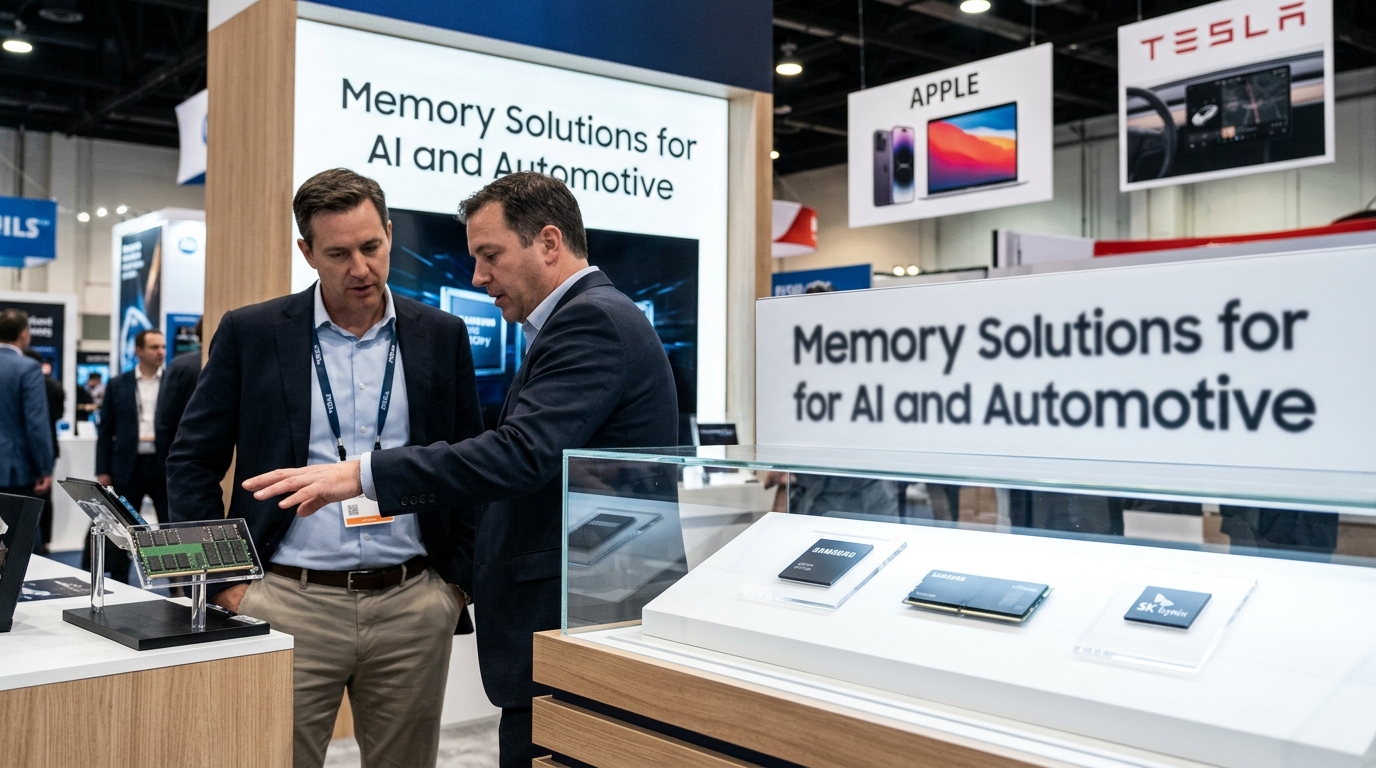
Overnight Korean coverage reported that US technology companies, including Apple and Tesla, are pressuring Samsung Electronics and SK hynix to cut memory prices and explicitly naming China’s CXMT and YMTC as alternative sources. The threat landed on a Seoul market already in freefall. The KOSPI fell more than 3% intraday on Monday, slipping below the 5,600 level after a brief rebound. Samsung and SK hynix suffered their worst weekly losses since the 2008 global financial crisis the prior week, with Samsung down 17.8% and SK hynix plunging 24.3%.
The context matters. Memory prices have not merely risen, they have exploded. TrendForce has reported DDR5 spot prices rising more than threefold since early September 2025, and widely cited industry estimates put DRAM contract prices up about 171.8% year over year in Q3 2025. For buyers like Apple, whose product margins depend on input costs, these are not rounding errors. Apple raised prices across much of the Mac and iPad line on June 25, 2026, and pointed directly to higher memory and storage costs as a key driver.
So the logic of naming CXMT and YMTC is straightforward: Apple has used this playbook before. For years, Apple’s core supply-chain tactic has been qualifying multiple vendors and using that leverage to push incumbents lower, including in displays as it broadened sourcing beyond Samsung Display. Threatening to source from a cheaper alternative is a negotiating move as old as procurement itself.
The problem is that the alternative may not actually be cheaper. Korean reporting this year said CXMT turned down Apple’s request for lower LPDDR5X pricing and held quotes at or above Samsung and SK hynix. Reports have also said CXMT has signed multi-year supply deals with Chinese internet giants, including figures reported in the billions of dollars for ByteDance and Tencent, which would reduce its need to discount to win incremental business. The broader point stands: CXMT is not necessarily a discount supplier. It is a constrained one.
There is also a regulatory dimension that Apple cannot negotiate away. CXMT has been included on the US Department of Defense list of Chinese Military Companies, which complicates its entry into Apple’s core supply chain. In July 2026, a bipartisan group of US senators publicly urged Apple CEO Tim Cook to commit that no CXMT or YMTC memory chips be used in any Apple product sold anywhere in the world. Sourcing from an entity on a Pentagon list is not simply a supply-chain decision. It is a political one.
None of this means the pressure is meaningless. Both CXMT and YMTC are expanding production with state backing, and industry watchers expect their influence to grow as volumes scale. If Chinese producers expand aggressively and spark a price war in commodity memory, it could weigh on the non-HBM portions of Samsung’s, Micron’s, and SK hynix’s revenue mix. The strategic signal, that two of the world’s most demanding customers see Chinese suppliers as credible, is itself a competitive event.
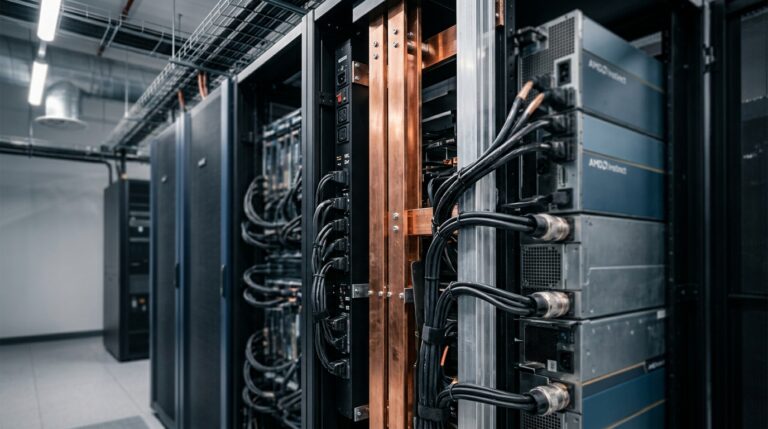
Where the moat genuinely holds is in HBM. Only three companies manufacture HBM at commercial scale: SK hynix, Samsung, and Micron. Capacity additions are also slow, with industry discussions commonly putting meaningful expansion on roughly a one- to two-year cadence. CXMT does not yet have a qualified HBM product in volume. TrendForce said in late September 2026 that it expects HBM blended average selling prices to jump 121% year over year in 2027, reflecting persistent constraints and a richer mix of higher-priced HBM4. That is the segment where Samsung and SK hynix face no credible substitute threat today. AI infrastructure demand is not going to CXMT.
The investors selling Samsung and SK hynix in Seoul this week are pricing in a worst case where commodity DRAM erosion is real and sustained. Reports describing the sell-off have said foreign selling was concentrated in the two memory leaders, reflecting a sharp loss of confidence in near-term commodity pricing.
A disciplined long-term investor would separate the two businesses inside the same ticker. The HBM franchise, tied to Nvidia’s Vera Rubin platform, AMD’s next accelerator generation, and every major AI infrastructure buildout, faces no Chinese alternative today. The commodity DRAM business faces real pressure if CXMT and YMTC scale and if Apple’s leverage play eventually lands. Investors who can hold those two realities simultaneously, and value the former independently of the latter, are looking at very different numbers than the ones the KOSPI is showing right now.