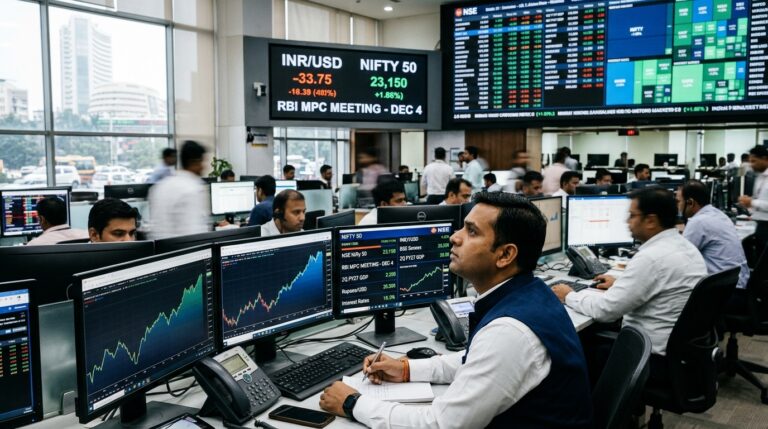
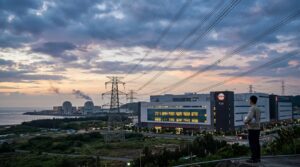

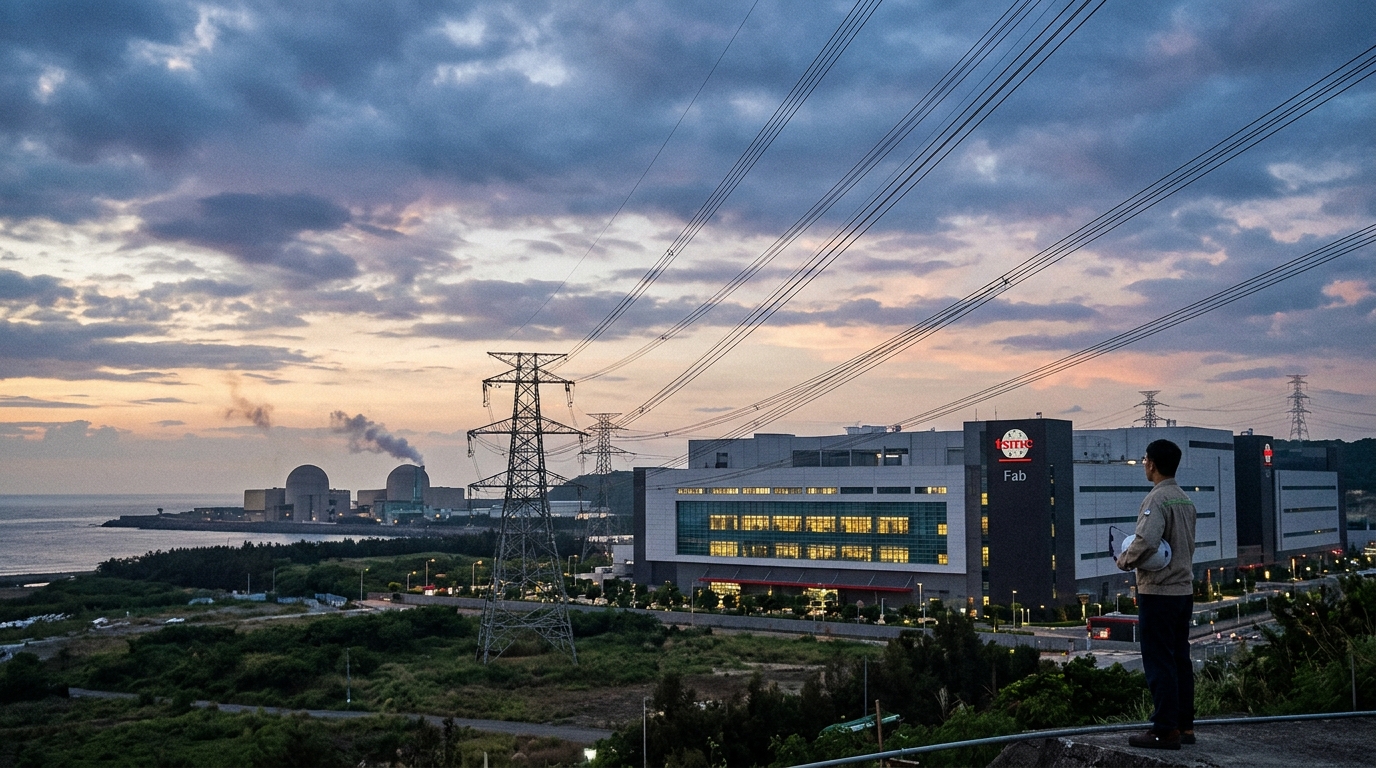
Counting began after polls closed at 4 p.m. Taipei time today as Taiwan voted on Referendum Case 22, which asks voters to abandon the island’s Nuclear-Free Homeland policy. Passing the question requires at least 5,000,959 yes votes and a lead over the no side. The last comparable vote, on restarting the Maanshan reactor, drew 4,341,432 yes ballots against 1,511,693 no and still failed on the threshold. The same day’s ballot is electing mayors and county heads across 22 jurisdictions, Taipei and Kaohsiung included. Markets will watch the threshold count. Long-term owners of semiconductor supply chains should be watching something else entirely: the grid.
The Real Demand Story
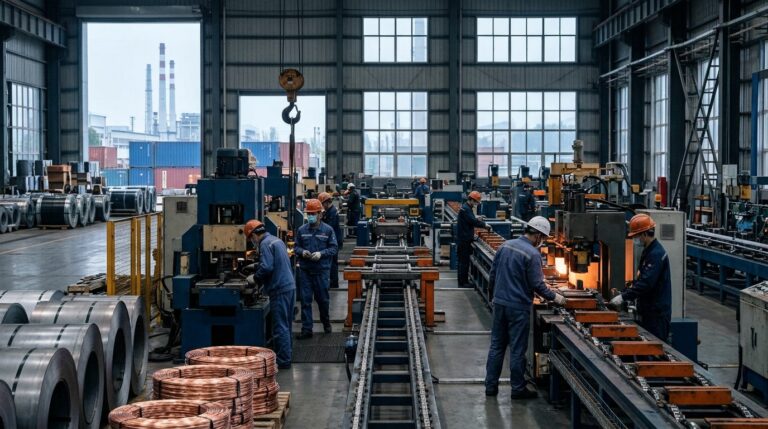
Taiwan Power Company expects semiconductor demand to climb from roughly 52 billion kilowatt-hours in 2026 to 80 billion kWh by 2030 and 110 billion kWh by 2035, with peak demand rising from about 7 gigawatts to 14.6 GW by 2035. TSMC sits at the center of that pressure. TSMC reported total energy consumption of 30,990 GWh in 2025 for its Taiwan fabs (excluding the R&D center). The power consumption of Taiwan’s semiconductor industry is expected to more than double over the next decade, with semiconductor-related industries projected to account for about 30% of Taiwan’s total electricity consumption by 2035.
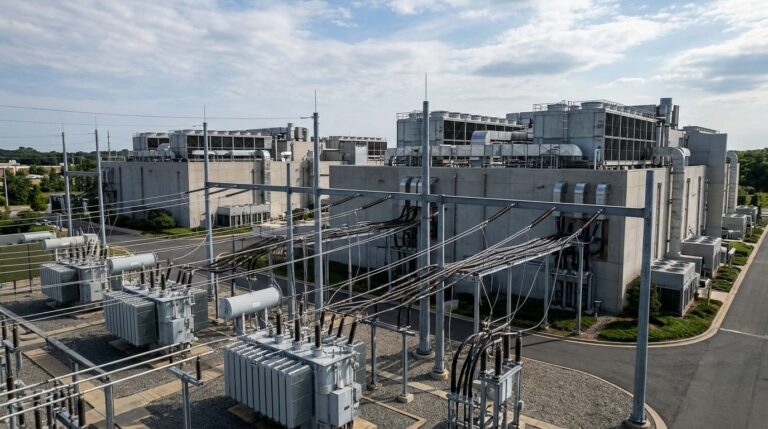
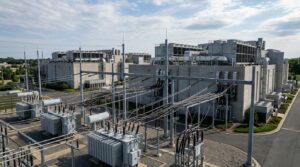
Taipower and Taiwan’s energy authorities have warned that a single advanced wafer fab can consume up to 200 megawatts. This concentration of demand heightens systemic risk; disruptions to power supply disproportionately affect a small number of energy-intensive facilities whose operations are deeply embedded in global supply chains.
A Yes Vote Buys Time, Not Capacity
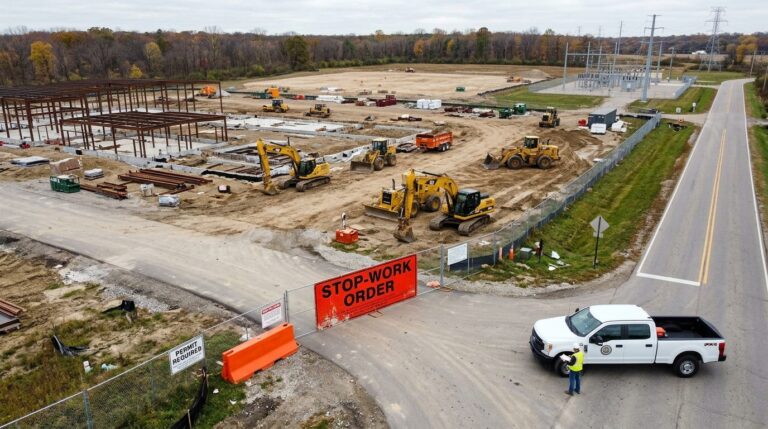
Here is the uncomfortable arithmetic for investors who expect a referendum win to resolve this. Taipower submitted a restart plan and licence renewal application for Maanshan to the Nuclear Safety Commission in March 2026, and the regulator completed its review of the restart plan in late September 2026. Even if the legal and regulatory path keeps moving, the gap between a ballot result and restored generation capacity is measured in years, not news cycles.
Taiwan has not generated nuclear electricity since May 2025, when its last reactor shut down. The campaign has brought growing demand for electricity and heavy reliance on imported energy into the dispute over bringing reactors back into service, but voting yes today does not shorten a single safety inspection. The gap between today’s ballot and tomorrow’s generation capacity is measured in years, not news cycles. TSMC’s fabs will need megawatts long before any restarted turbines spin again.
The same baseload imperative is reshaping power markets far beyond Taiwan. Constellation Energy is using 20-year purchase commitments from Google and Amazon to fund nuclear fleet expansion, a model that shows how chipmakers’ power hunger is restructuring utility balance sheets globally.
What Investors Are Actually Buying
The more durable opportunity sits further upstream. Cameco’s long-term price indicator rose to $98 per pound at the end of October, above uranium’s spot price, which recently topped $91, suggesting buyers are willing to pay more to secure supply through longer-term agreements. After meeting its 2025 delivery commitments, Cameco has said it has long-term commitments to deliver about 230 million pounds of uranium, including an annual average delivery volume of about 28 million pounds over the next five years.
Taiwan’s vote today is one of several structural forces tightening the uranium supply picture. The World Nuclear Association says 33 countries have signed on to the Declaration to Triple Nuclear Energy by 2050, an effort launched at COP28 and expanded since. Against that backdrop, stocks like Cameco (CCJ) and Uranium Energy (UEC) stand out as identified beneficiaries of the nuclear revival. Neither depends on today’s threshold count. Both depend on the same long-duration force that is shaping Taiwan’s grid crisis: the world’s largest chipmakers need baseload power that neither wind nor LNG can reliably deliver at scale.
A yes result tonight matters politically and sets a legal path for Taipower to pursue restarts. A no result, or another failure on the threshold, does not stop the restart process already underway. The World Nuclear Association notes that despite the 2025 referendum’s failure to reach the threshold, the government pursued nuclear restarts. The grid imperative outweighs the ballot margin either way. That is exactly the kind of durable, policy-resistant investment force disciplined long-term owners should want on their side.