

Dear Reader,
Institutions own approximately 88% of its shares.
BlackRock reportedly owns 32 million shares worth roughly $716 million. Vanguard owns another 48 million shares worth nearly $1.1 billion.
One major investor nearly doubled its position to 8.2 million shares. And management authorized the repurchase of 40 million shares.
That is not casual interest.
That is serious money surrounding one virtually unknown American company.
So what do they see?
This company generates approximately $3.2 billion in operating income while carrying a market value of only around $8 billion.
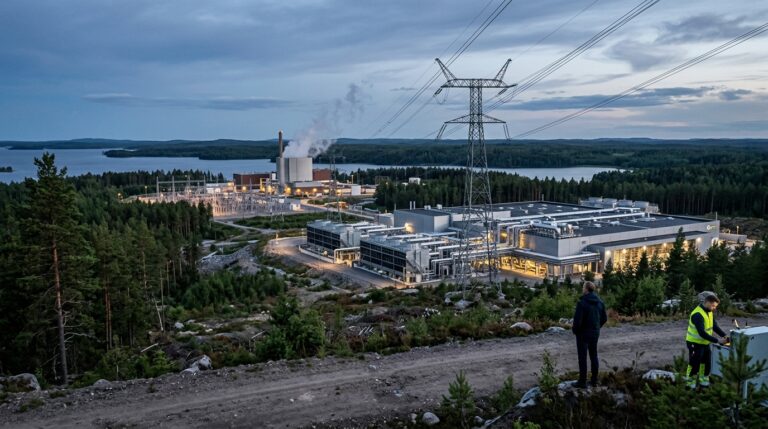
It controls a massive American oil and natural gas operation at a moment when AI data centers desperately need reliable electricity.
It has even signed a multi-year, multimillion-dollar agreement with Palantir to use AI to improve equipment reliability, well performance, raw-material use and distribution.
Wall Street knows the name.
Trump publicly defended the company when a major trading partner targeted its profits by raising their taxes.
But Main Street remains largely outside the room.
I believe that information gap creates the opportunity. Once the broader market connects this company’s profits, energy assets and AI relationship, its current valuation could become much harder to justify.
But I refuse to ignore what Wall Street is quietly accumulating.
Click here to learn about the Ultimate Stock Unicorn.
Yours in smart speculation,
Karim Rahemtulla, Head Fundamental Tactician
Monument Traders Alliance
P.S. Institutions control 88% of the shares. BlackRock and Vanguard own tens of millions.
Management authorized a 40-million-share buyback. Main Street may be the last group through the door – click here now to learn about the AI-energy stock Wall Street already knows.
Warren Buffett Built Berkshire to Outlast Him. Now We Find Out.
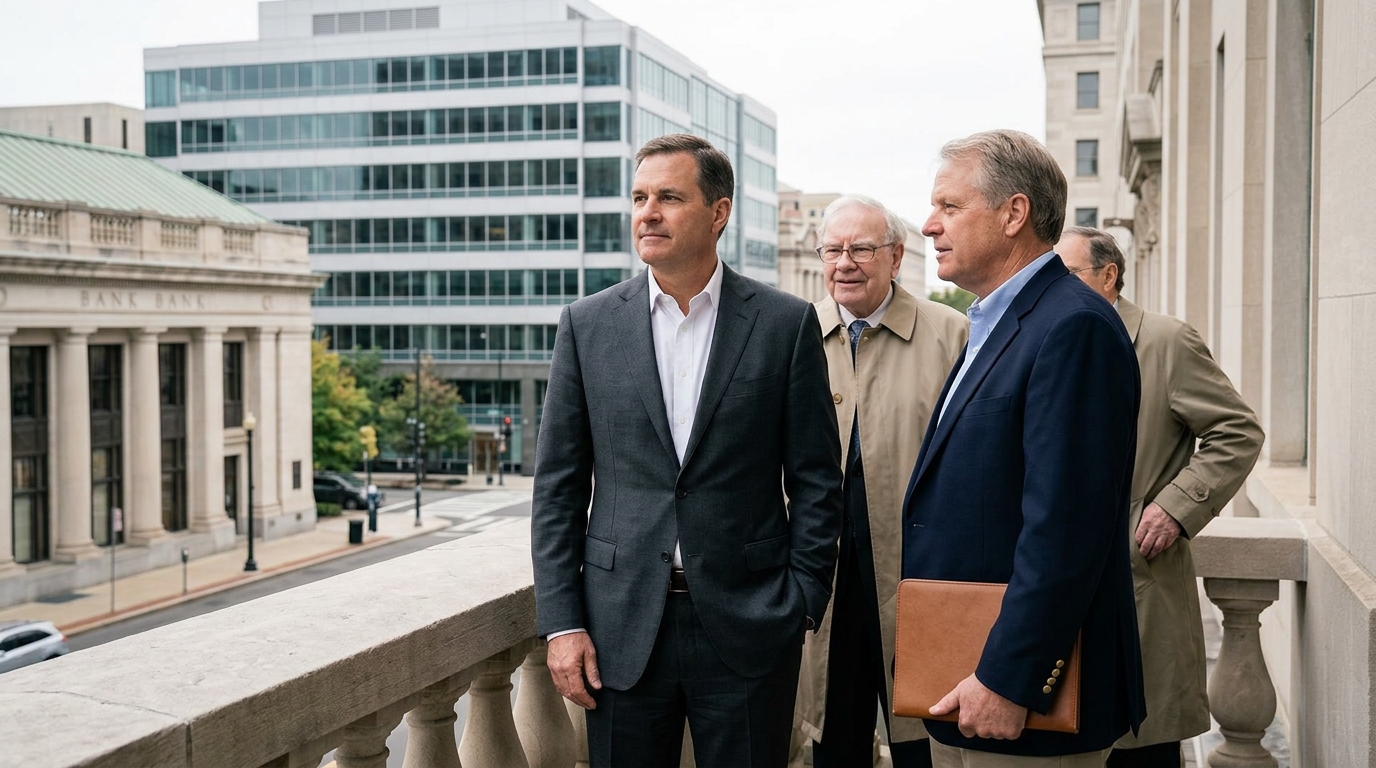
The last formal piece of Warren Buffett’s succession fell into place Friday morning, and it landed quietly. More than nine months after Greg Abel took over as CEO at the start of 2026, Buffett stepped down as chairman of Berkshire Hathaway, becoming chairman emeritus effective immediately, with Howard Buffett replacing him in the chair. No drama, no emergency. That, in itself, is the point.
Buffett framed it the only way he could. “Father Time always wins,” he wrote. “He has, however, been generous with me. He has given me the opportunity to see Berkshire reach a point where I am more confident than ever about what lies ahead.”
For long-term investors, the question worth sitting with is not whether Berkshire survives the handover. It almost certainly does. The question is what this succession teaches about building a business that genuinely outlasts its architect.
The Two-Part Design
Buffett engineered the transition with a deliberate split of power. Abel runs the business. Howard Buffett, who has been on Berkshire’s board since 1993, is responsible for the company’s culture and values. That division is not an accident of family sentiment. It reflects a considered view that operational leadership and cultural stewardship are separate jobs requiring separate people.
Abel put it plainly in his prepared statement: “The culture Warren built and the values he championed will remain at the heart of Berkshire, and Howard will be their guardian.” In most corporate transitions, culture is an afterthought. Berkshire wrote it into the governance structure.
What Abel Has Done With the Keys
The market’s verdict on Abel so far is cautious. Berkshire shares have lagged the broader market in 2026, while the S&P 500 is up about 11.8% year to date through Friday’s close. Some of that gap reflects Berkshire’s limited exposure to the AI-driven technology rally. Some of it reflects a genuine wait-and-see posture toward a new capital allocator managing an extraordinary sum.
In the second quarter, Berkshire repurchased $4.5 billion of its own stock, and the company said it bought nearly $20 billion more stocks than it sold between April and June, ending 14 straight quarters as a net seller of stocks. It also closed the acquisition of homebuilder Taylor Morrison on July 24, 2026. Berkshire also added about $10 billion to its investment in Alphabet, which has made the position one of its largest stock holdings. Abel appears to be using Buffett’s rule book, stressing that Berkshire evaluates all deals with one measuring stick: does this increase intrinsic value per share over the long haul?
That discipline matters more than the specific transactions. The framework is the inheritance.
The Lesson for Investors Building Their Own Institutions
What Berkshire actually demonstrates is that exceptional businesses are not built around one person’s judgment. They are built around systems, incentives, and cultures that attract and retain good judgment at every level. Berkshire is not built around one product or one industry. It acts more like a permanent owner of cash-generating businesses run with a lot of independence, while the parent company allocates capital across the whole group.
Capital allocation remains the central question: the Taylor Morrison acquisition, the Alphabet additions, and heavier buybacks suggest Abel is willing to put cash to work, but the key catalysts are how quickly that remaining capital is redeployed and whether earnings quality holds. Cash and cash equivalents plus short-term investments in U.S. Treasury bills totaled about $360.0 billion as of June 30. That is both an asset and an ongoing test of discipline.
Christopher Davis of Hudson Value Partners called Friday’s announcement “the latest example in the textbook of good governance at Berkshire.” That framing is right. Despite frustrating share price performance this year, the positive trends in the underlying business remain intact.
Sixty years of compounding does not end with a press release. It ends, or continues, in thousands of decisions made inside operating companies from BNSF to GEICO to See’s Candies, by managers who absorbed a culture rather than a mandate. Howard Buffett’s job is to keep that culture legible. Abel’s job is to keep it profitable. If both succeed, the institution outlasts its builder. That was always the design.