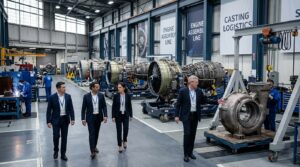


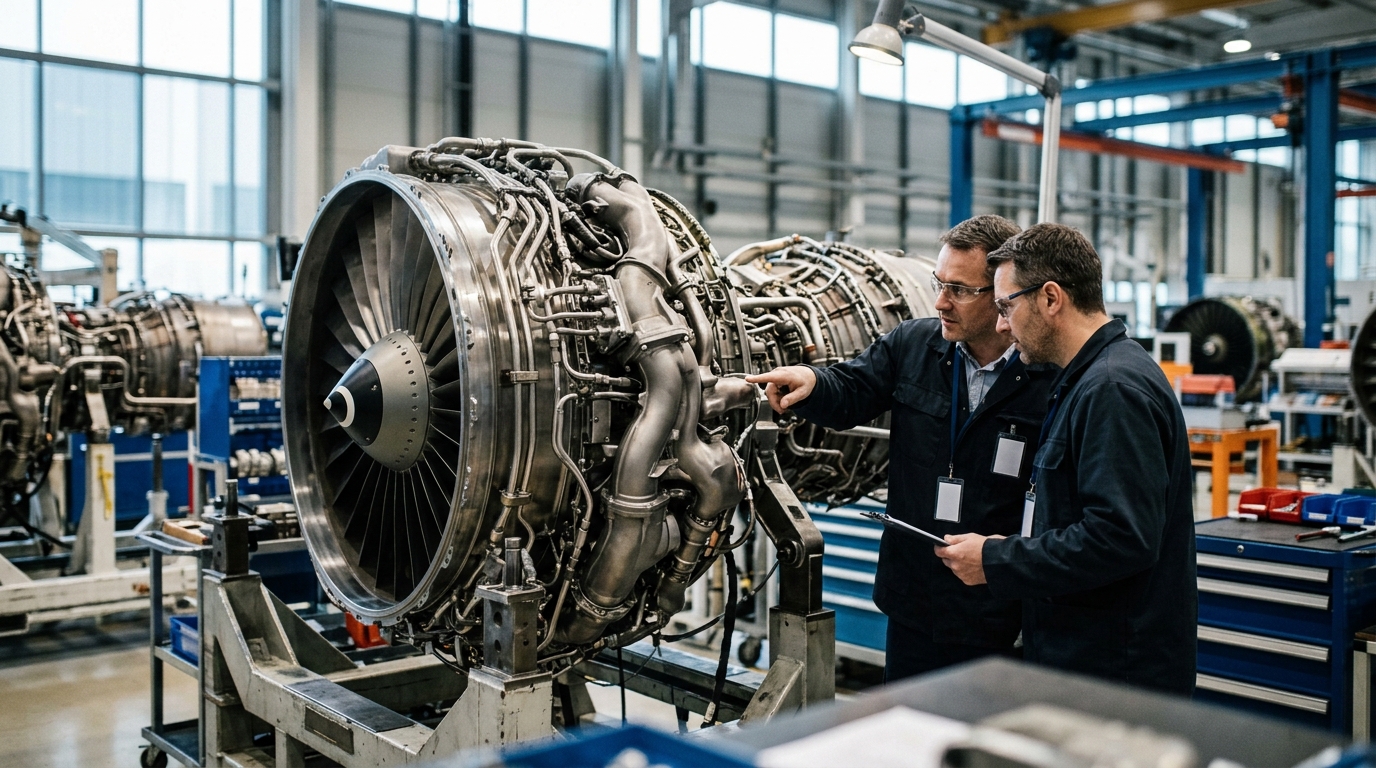
Here is a question worth asking before GE Aerospace opens its books Tuesday morning: when a company spends nearly $12 billion to buy a supplier it has worked with for 15 years, what exactly is it admitting?
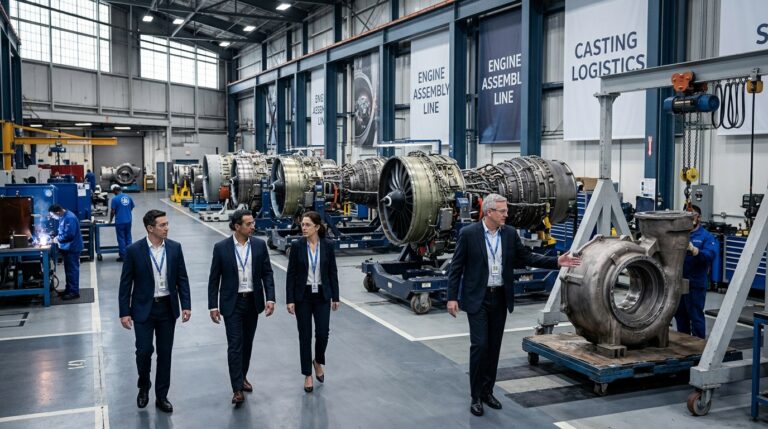
The answer, in GE’s case, is that it could not fix the castings problem from the outside. Supply-chain constraints have made it harder for engine makers to keep pace with strong demand for new engines and aftermarket parts and repairs. While conditions have improved, castings remain a key pressure point for the industry. GE stopped waiting for the market to resolve it.
The Deal in Plain Terms
On September 8, 2026, GE Aerospace signed an agreement to acquire Consolidated Precision Products, a leading manufacturer of highly engineered castings, from private investment firms Warburg Pincus and Berkshire Partners for $11.75 billion. GE Aerospace will fund the purchase with $7 billion in cash along with new debt for the remainder, and the transaction is expected to close in the second half of 2027. That makes it GE Aerospace’s largest announced acquisition since it became a standalone company in April 2024.
CPP is a key supplier to GE’s LEAP and GEnx commercial engines and makes parts for nearly every major current-generation commercial aircraft program. About 70% of its revenue comes from commercial and defense engines. GE expects CPP to generate about $2 billion in revenue in 2027.
The strategic motive is not complicated. GE Aerospace expects demand for airfoils, precision-cast turbine blades and vanes that operate under extreme heat and are central to engine efficiency and durability, to rise more than 30% by 2030. Bringing CPP into the fold would more closely link airfoil design and production, shorten development cycles and improve manufacturing readiness as it ramps output.
What the Earnings Report Has to Answer
GE Aerospace is expected to post its Q3 2026 results before the market opens on Tuesday, October 20, 2026. Wall Street estimates vary by source, but recent consensus ranges have clustered around roughly $2.00 to $2.02 per share on revenue around $12.7 billion to $12.9 billion.
Last quarter, GE Aerospace reported adjusted EPS of $2.02. That result beat the consensus estimate that many outlets tracked at about $1.86. The CPP announcement arrived later in the summer. The deal has since reset the conversation, but Tuesday’s numbers will determine whether execution actually held up through the summer.
Two things investors will listen for on the call: any update on integration planning for CPP, and whether management repeats CFO Rahul Ghai’s language from September. Ghai told investors that broad vertical integration is not the solution and called CPP a unique situation. That framing matters because Jefferies has estimated CPP currently supplies about a quarter of GE’s airfoil needs, meaning the acquisition does not multiply GE’s total casting capacity so much as bring an existing supplier in-house.
The Risks Are Real
The multiple GE is paying is not modest. The transaction values CPP at approximately 18 times projected 2027 EBITDA including expected net synergies, or approximately 26 times EBITDA excluding those synergies.
The acquisition could also raise questions for other aerospace companies that rely on CPP for parts. Competitors including RTX and Safran have been investing in their own casting and forging capacity. RTX has been working to boost structural casting capacity in Asheville, North Carolina, while Safran, GE Aerospace’s partner on CFM International, has invested heavily in forgings at its facility near Paris. An in-house CPP serves GE’s priorities first. What that means for CPP’s other engine customers is still unresolved.
Bottom Line
The acquisition is expected to be accretive to GE Aerospace’s adjusted earnings per share and free cash flow in the first year following completion, excluding one-time costs and deal-related amortization. That is the promise. Tuesday is where investors start measuring the reality behind it. A beat on revenue and a maintained full-year outlook would show the underlying engine business is funding this deal from a position of strength. A repeat EPS stumble, with $11.75 billion still to pay, would make the CPP logic considerably harder to defend.