

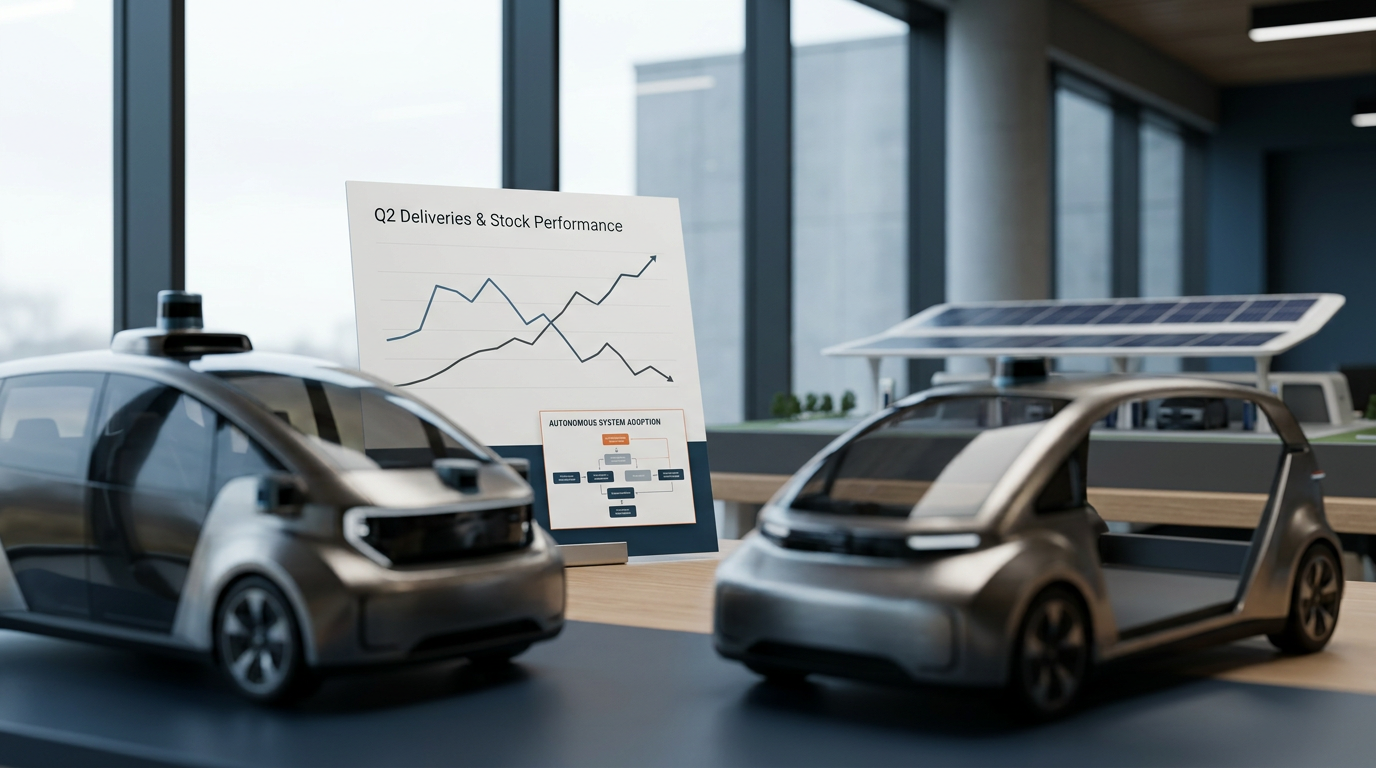
On July 2, Tesla dropped its Q2 2026 delivery numbers. The result was an 18% beat against consensus expectations: 480,126 vehicles delivered, a 25% increase year over year. By almost any traditional auto metric, that’s a strong quarter.
The stock fell about 7.5% the same day.
That tells you something important about what TSLA actually is right now, and why the delivery number is almost the wrong thing to be watching.
The Delivery Picture
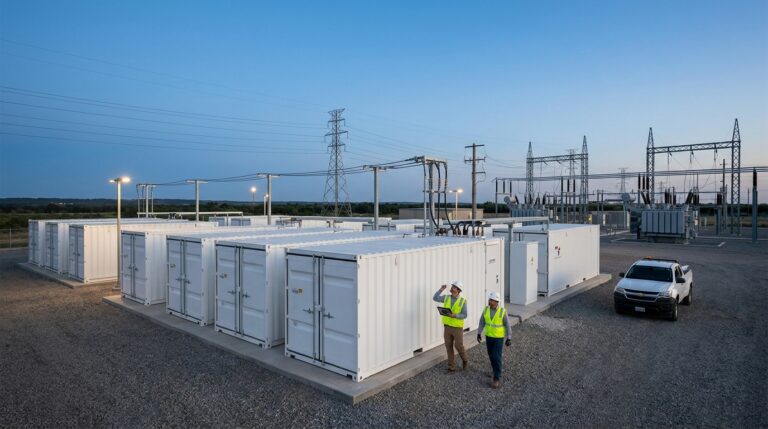
Wall Street’s consensus called for roughly 406,000 vehicles. Tesla delivered 480,126. Model 3 and Model Y accounted for 467,762 of those deliveries. Energy storage deployments hit 13.5 GWh. Inventory levels likely declined given Tesla delivered more vehicles than it produced in the quarter. European registrations rose 57.2% year over year through the first five months of 2026.
By every volume metric, Q2 was a rebound quarter. And yet the selloff. Classic buy-the-rumor dynamics, partly. But there’s something deeper going on.
The Valuation Is Not About Cars
Tesla currently trades at roughly ~200x forward earnings. That multiple has almost nothing to do with vehicle deliveries. It reflects what the market believes Tesla could become: an autonomous mobility platform, a humanoid robotics company, and an AI infrastructure operator.
The car sales are the funding mechanism. The real asset, in the bull case, is Tesla’s data moat. Tesla has disclosed “Active FSD subscriptions” of 1.28 million (as of Q1 2026), but Tesla has not provided a verified public figure for cumulative FSD miles that supports the specific 8.4 billion/”42 times Waymo” comparison in this piece.
Tesla launched its robotaxi service in Miami on July 3, making it one of the newest U.S. cities beyond Austin with the service operating. The same day as the delivery report, Tesla shares fell sharply even after the beat, and the U.S. National Highway Traffic Safety Administration said it had closed a probe into 695,000 Tesla vehicles over unexpected braking.
What July 22 Actually Matters For
Tesla will report full Q2 financial results after the close on July 22. Investors are watching three things specifically: automotive gross margins (did discounting in Q2 compress profitability?), any update on Cybercab production timelines, and progress on FSD commercialization beyond supervised mode.
Consensus estimates for Q2 revenue sit around $25.4 billion, with EPS around $0.48. The delivery beat suggests revenue will likely hold up. The margin question is harder. Tesla grew Q2 deliveries in part by drawing down inventory built in Q1, and there are ongoing concerns that heavy incentives were needed to move those units. If gross margins slip materially from Q1’s 21.1% level, the stock could face renewed pressure regardless of the headline delivery number.
The Bear Case Has Real Weight
BYD reclaimed the global battery-electric vehicle sales lead from Tesla in Q2 2026. Competition from Chinese manufacturers is intensifying across multiple geographies. Tesla has indicated 2026 capital expenditures around $25 billion, driven primarily by AI infrastructure and autonomous driving development. If the core auto business generates less cash than expected, those investments amplify risk rather than absorb it.
Elon Musk has stepped back from his more visible role in Washington, which some analysts believe has reduced a drag on consumer sentiment in certain markets, particularly in Europe where the rebound has been sharp. Whether that improvement is structural or situational is an open question.
The Honest Summary
Two completely different companies share the TSLA ticker. One is an automaker facing real competitive pressure, margin questions, and a balance sheet carrying enormous capex commitments. The other is an AI and robotics platform with a data moat that may be difficult to replicate, a mobility-as-a-service business still early in commercialization, and a humanoid robot program that Tesla has discussed ramping in 2026.
The market is pricing the second company at a significant premium. The Q2 earnings report on July 22 is really a referendum on whether the first company can fund the second long enough for the autonomous bet to pay off.
That’s the only number that actually matters going into the print.