



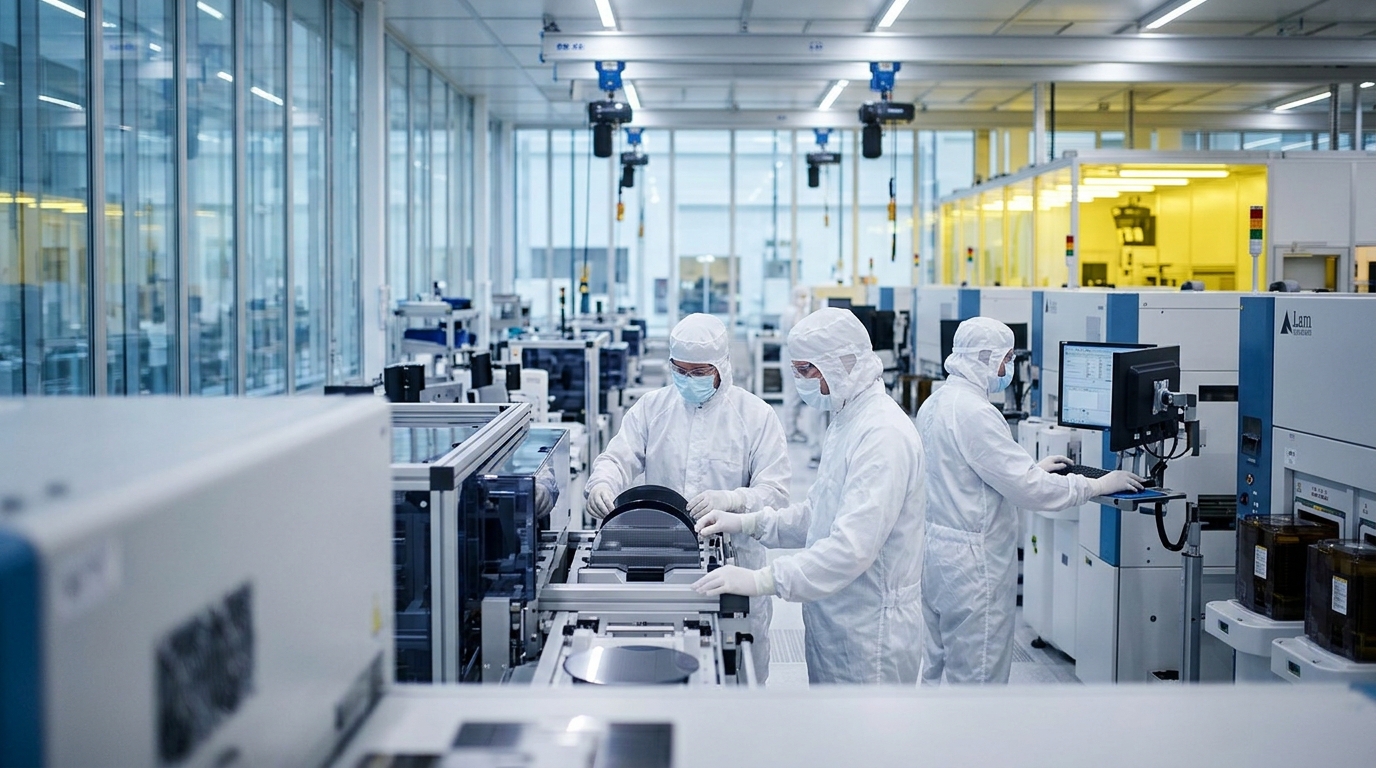
November 5 was a rough day to be a chip investor. The PHLX Semiconductor Index opened at 9,806.31 and kept falling, closing at 9,011.14, a loss of 12.25% on the session. Micron dropped 17.46%. Lam Research fell 16.36% to $185.20, capping a slide of roughly 36% over the prior month. Against that backdrop, Lam’s board chose the same day to authorize a $25 billion share repurchase program and declare a $0.33 quarterly dividend.
The repurchase authorization and dividend were announced November 5 by Fremont, California-based Lam Research Corporation. The new authorization supplements remaining balances from the prior program. Lam may execute repurchases through open market and private transactions, including derivative contracts and structured share repurchase agreements, with no termination date on the program. The market responded: Lam shares closed Friday, November 6, at $200.44, up about 8.2% from Thursday’s close.
What the Timing Signals
The contrast with AI-adjacent names still issuing shares to fund growth is not subtle. Equipment companies generate enough cash to give it back. In the quarter ended September 27, 2026, Lam’s revenue reached $8.22 billion, up 54.4% year over year, with free cash flow of about $3.24 billion. CFO Doug Bettinger said the authorization “reinforces our capital allocation plan and commitment to return significant value to stockholders,” adding that strong cash generation gives the company “confidence in our ability to deliver on our capital return objectives over time.”
That discipline is precisely what the selloff revealed as a differentiator. The broader equipment group fell together: ASML, LRCX, and KLAC have each lost between 18% and 34% over the past month as investors reassessed semiconductor equipment spending expectations and grew cautious about the sustainability of AI-driven capital expenditure growth. But Lam is meeting that pressure with a capital return program, not an equity raise.
Applied Materials on Thursday
The other side of this trade reports in five days. Applied Materials is scheduled to announce its fiscal Q4 2026 results after the close on Thursday, November 12. The company has a recent history of topping Wall Street earnings expectations.
Guidance issued with Q3 results called for fiscal Q4 revenue of $10.25 billion, plus or minus $500 million, and non-GAAP EPS of $4.02, plus or minus $0.20.
With analyst consensus sitting near the company’s midpoint, around $10.3 billion in revenue and $4.06 in EPS, the November 12 report will likely be judged on 2027 commentary more than on the quarter itself. Applied has already said it expects semiconductor equipment industry revenue to grow more than 30% in 2026. The harder question is what 2027 looks like from here, particularly given heightened geopolitical friction and ongoing regulatory scrutiny tied to U.S. export controls on advanced semiconductor manufacturing equipment to China.
Building Wealth Around the Equipment Cycle
Chip equipment is not a sector you buy for stability. These stocks move in wide bands tied to capital expenditure cycles, and the past month proved it. What the Lam announcement clarifies is that the best-positioned names in the group are not waiting passively for the cycle to turn. They are using the selloff to retire shares at prices management considers attractive.
The sector dropped 25% to 35% over October, sweeping up lithography and etching leaders including ASML and Lam alongside process diagnostics names like KLA. That indiscriminate selling often creates the conditions where capital return programs matter most: the company with the strongest balance sheet can shrink its share count while others simply wait.
For investors building a position in semiconductors for the long run, the distinction between companies that return capital and those that consume it deserves as much attention as growth rates. Friday’s rebound in LRCX and AMAT is one data point. The more durable argument is structural: AI infrastructure spending requires the equipment these companies build, and the companies with the financial strength to buy back shares during a 30% selloff tend to emerge from downturns with considerably fewer shares outstanding. That math compounds.