

Below is an important message from one of our highly valued sponsors. Please read it carefully as they have some special information to share with you.
** If you’re within miles of one of these dots you could see your electric bill increase. **
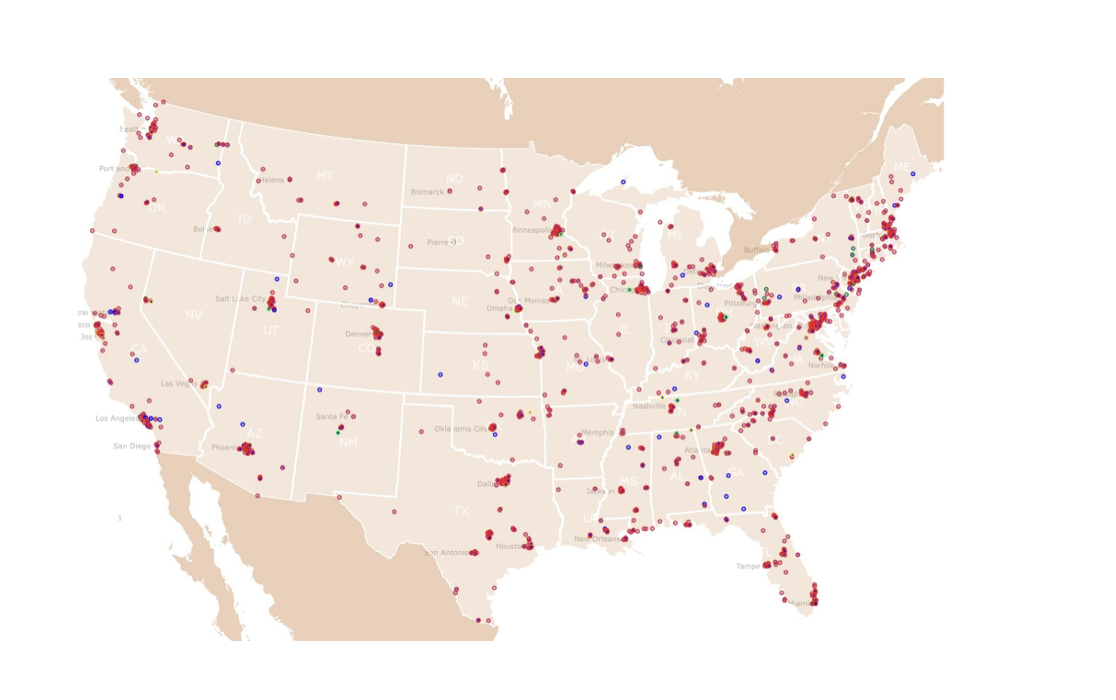
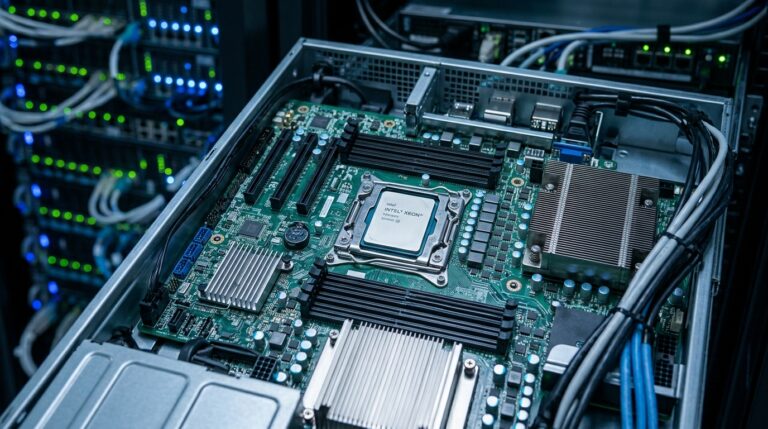
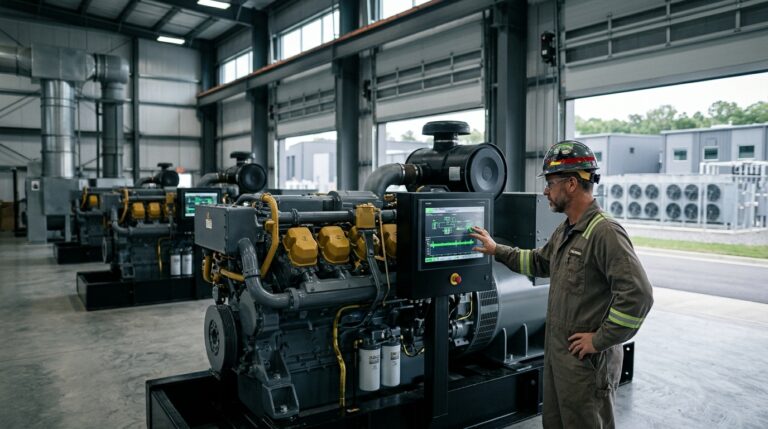
These are data centers. Warehouses full of computers, built to run AI.
There’s about 1,300 operating in America right now.
A single one can draw as much electricity as 100,000 homes.
In Manassas, Virginia, a man who’s lived in the same house for 40 years opened a $281 electric bill in January.
The month before, he paid about $100.
And this is just the beginning.
Another 2,500 data centers are set to be built in the coming years.
It’s only a matter of time before all of us feel this. If you haven’t already.
So who’s going to stop it?
I can tell you it isn’t your congress man. It isn’t your senator.
There’s exactly one person who can. And he’s not in government. Elon Musk. His new “hidden” project would take data centers out of our cities entirely
He’s already filed his plan to do this with the FCC.
And Trump has been in full support of this,, so that you don’t get hit with rising electric bills in the coming years.
And this goes one step further.
Which is the real reason I’m writing to you today.
We’re at the ground floor of a problem only Elon can solve.
And there’s one company I believe is sitting at the center of his solution.
It’s a company 99% of people have no idea exists, let alone has Elon’s name attached to it.
It’s publicly traded, and it costs less than $100 a share.
Imagine getting in on the ground floor of PayPal. Tesla. SpaceX.
That’s exactly where we are right now with his next project.
And this one could not only be his last… but it could be BIGGER than all of his past projects combined.
Learn how to get positioned before December 8th.
> GET POSITIONED BEFORE DEC 8 <
Sincerely,
James Altucher
UPS Has a Gap in Its Supply Chain. The Sea Fills It.
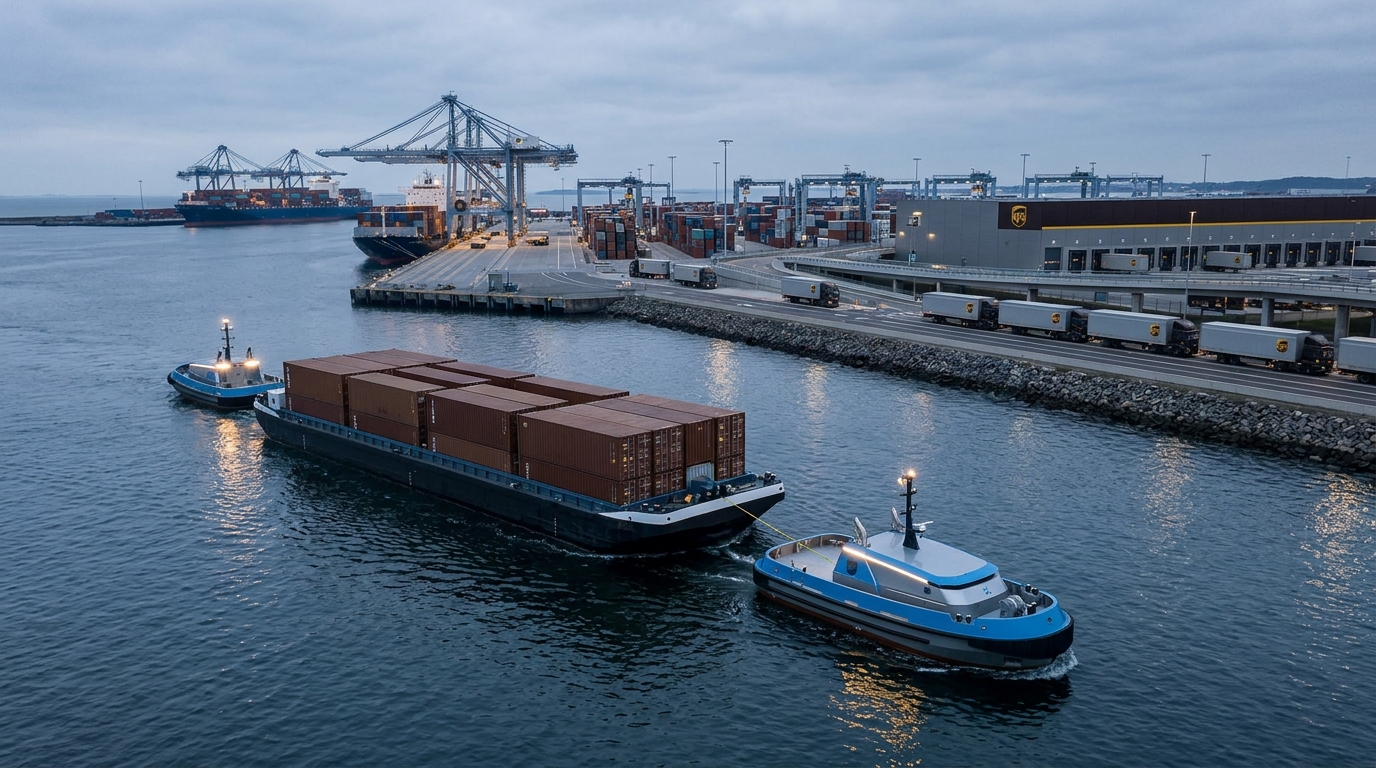
UPS is spending more than $2 billion to integrate air, ground, brokerage and distribution into a single logistics solution through 2028. New hubs in the Philippines, South Korea, and Hong Kong. A nearly $50 million automotive and industrial logistics push across North America. Automation across 67.5% of its facilities. The company is methodically closing every gap between origin and consignee, except one: the water between coastal ports.
That gap is about to become expensive to ignore.
In April 2026, China put the world’s largest pure electric seagoing container ship into commercial service. The Ningyuan Diankun, a roughly 740-TEU vessel running between Ningbo-Zhoushan and Jiaxing on an approximately 70-nautical-mile coastal corridor, carries about 19,600 kWh of containerized battery capacity designed for high-voltage shore charging and rapid battery swapping, and cuts about 1,462 tonnes of CO2 annually compared with conventional vessels. It is not a prototype. It is a commercial operation on a dedicated feeder route, invested in by Ningbo Ocean Shipping.
The economics behind it are not subtle. Research in the academic literature has found that crew costs can account for roughly 30% to 40% of total costs in short-sea shipping and inland waterway transport. Remove the crew from a short-sea coastal run, pair electric propulsion with a shore-based control center monitoring dozens of vessels at once, and the cost structure of moving heavy cargo between coastal hubs changes fundamentally.
Regulators are ready too. The IMO adopted its MASS Code in May 2026, the first international safety framework for autonomous surface ships, which takes effect on July 1, 2026. The code is non-mandatory, but the IMO has laid out a roadmap toward a mandatory MASS Code expected to be adopted by July 1, 2030, with entry into force on January 1, 2032 through the SOLAS framework. For the first time, operators have a clear regulatory runway to plan commercial deployments without seeking individual flag-state exemptions.
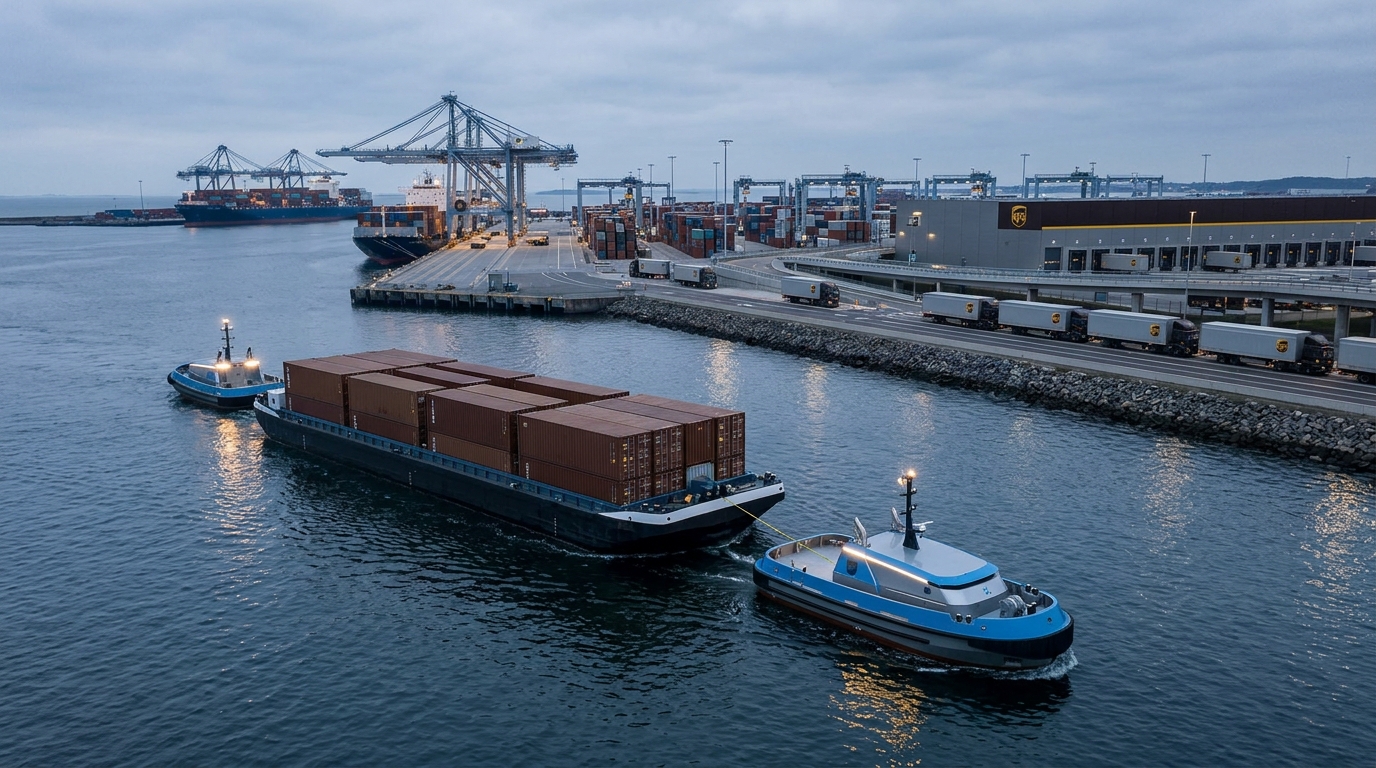
The technology has followed. Patent analysis through 2026 shows electric tugboat propulsion moving from hardware experiments to autonomous multi-agent formation control, where groups of smaller electric hulls can coordinate cargo movements across a coastal corridor without a single crew member aboard. This is not the same problem as deep-sea autonomy, which remains a longer-dated challenge. Short-sea corridors are predictable, the waters are known, and shore intervention teams are never far.
This is precisely where UPS’s integration story has a seam. Its ocean freight offering can arrange container shipping from major ports worldwide, but the company’s competitive edge is built on eliminating handoffs between modes. Autonomous electric tug operations on coastal feeder routes would do exactly that: move heavy cargo between hub ports on a schedule that air and ground connections could depend on, without the crew overhead that makes traditional short-sea shipping uneconomical for smaller freight volumes.
The counterargument is timing. UPS’s $2 billion investment is directed at air, ground and warehousing, not vessel acquisition. Cybersecurity and port infrastructure for autonomous handoffs remain genuine technical hurdles. And ocean rates in 2026 have been easing from earlier peaks, limiting the urgency to optimize coastal legs.
But Howard Marks would ask what the market is pricing. Right now, UPS trades on its logistics network strength, not on marine innovation. That means the coastal automation opportunity is unpriced. The company that builds the first reliable autonomous tug corridor between, say, Los Angeles and Oakland, or Rotterdam and Hamburg, does not just cut costs. It owns a scheduling dependency that every shipper routing through those hubs will eventually accept.
Coastal route risk is already repricing elsewhere. War-risk insurance costs reshaping trade economics across the Black Sea illustrate how quickly a single corridor disruption forces shippers to recalculate every hub dependency.
The gap in UPS’s supply chain is visible. What fills it is becoming clearer by the quarter.