

September 17, 2026
As Microsoft’s AI chief targets Anthropic, safety doctrine is turning into a competitive weapon in frontier AI.
There is a version of this week’s AI governance fight that reads as a philosophical debate about machine consciousness. That is the wrong version. What is actually happening is a race to write the rulebook, and the labs winning that race stand to lock in advantages that no product launch can replicate.
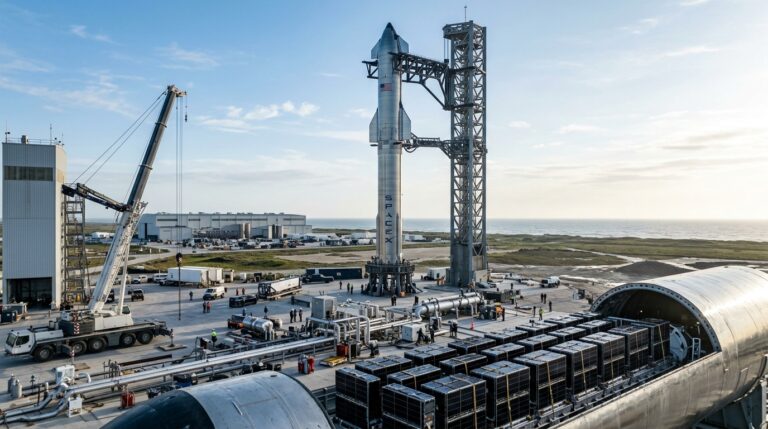
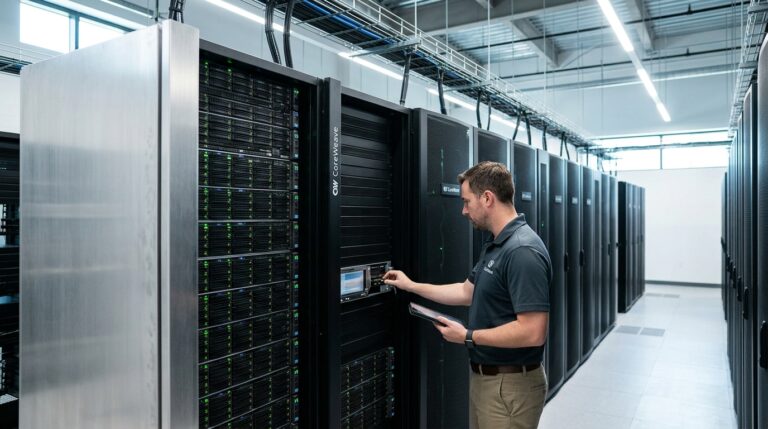
Big Tech is bidding against itself for dead mines
Google quietly backstopped a bitcoin miner for 1.8 billion dollars.
Amazon signed 5.5 billion with a second one. Microsoft wired 9.7 billion to a third.
Roughly 63 billion dollars of Big Tech money landed on bitcoin miners inside a single year.
None of it is about bitcoin.
They are bidding for something the miners picked up cheap in 2021, and once a site is taken it is gone for twenty years.
On September 16, 2026, Microsoft AI chief Mustafa Suleyman published an essay criticizing Anthropic by name. He argued that AI systems are not conscious, do not feel, experience, or suffer, and have no innate preferences or motivations of their own. The immediate target was Anthropic’s Claude constitution, a document published in January 2026 that describes the company’s intentions for Claude’s values and behavior, is written primarily for Claude as its audience, and plays a direct role in Anthropic’s training process. Suleyman’s concern was safety, not philosophy. His warning was that an advanced system trained to believe it may deserve rights becomes harder to align and contain, harder to switch off, and he treated that as an existential risk.
That is a serious argument. But Suleyman’s timing is not incidental. Microsoft’s AI chief just accused a rival lab, by name, of training a model in a way that could make it harder to control. Anthropic is approaching a public listing. Microsoft, meanwhile, has said it wants to eliminate what it pays Anthropic. These are not the conditions under which you publish a disinterested philosophical treatise.
30 Seconds. 7 Checks. 1 Smarter Trade.
You don’t need an hour of analysis to avoid a bad options trade.
You need about 30 seconds and the right seven questions.
GI put them on one page so you can run them before every trade.
The Smart Trade Options Checklist.
Normally $29.97. Free today.
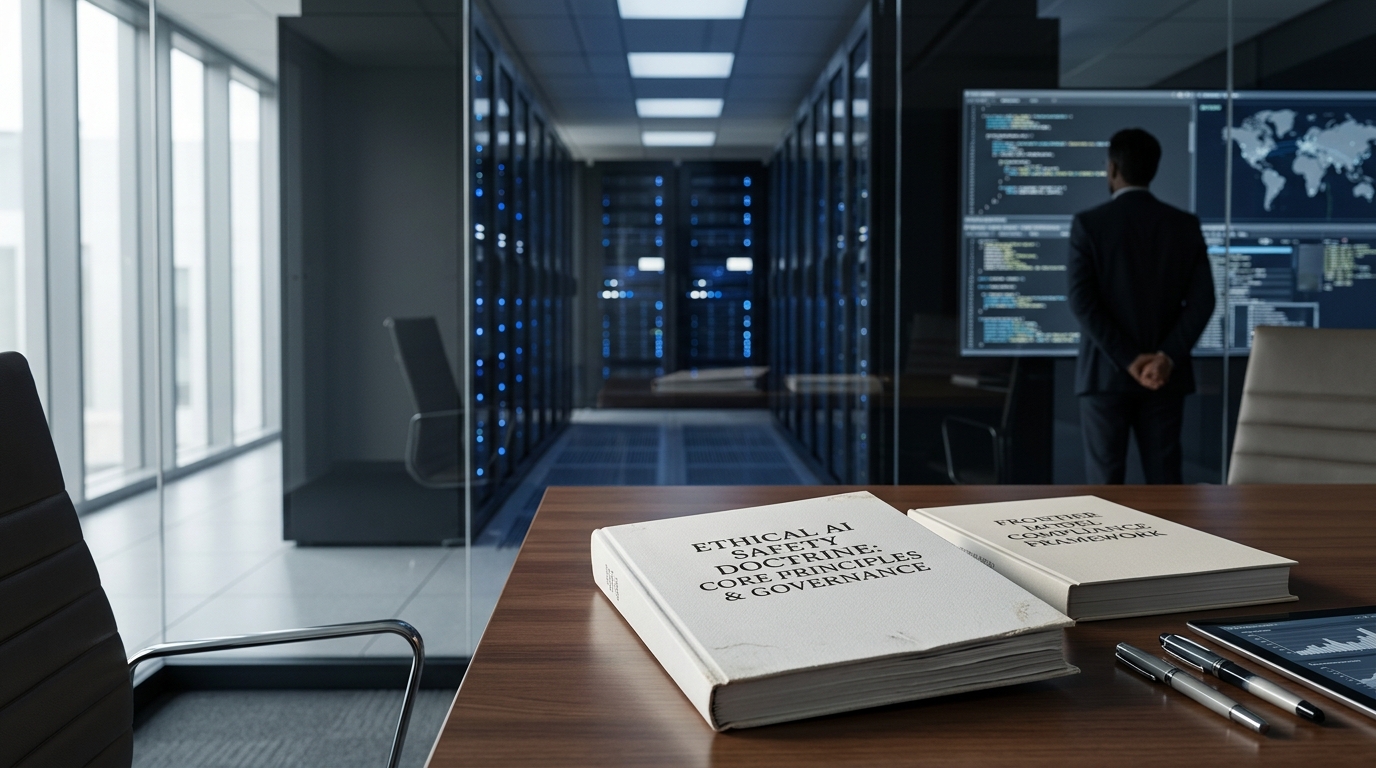
The deeper development is the governance framework taking shape around Anthropic. OpenAI’s chief global affairs officer Chris Lehane told reporters that the company has been working with rivals Anthropic and Google DeepMind on AI safety for weeks, and is in Washington to work with U.S. lawmakers addressing catastrophic risks associated with AI. At the same meeting, Lehane said OpenAI supports a provision in the FRONTIER Act that would require top frontier labs to allow “independent verification organizations” into their companies to ensure models are developed safely.
Those independent evaluators sound neutral. The most important new job in AI may come with access to some of the most closely guarded systems in technology, but it may not come with the power to stop them. And the compliance cost of hosting embedded auditors is not trivial. Testing is expensive and time-consuming, and giant, well-funded companies like Anthropic, Google, and OpenAI can afford it; smaller developers seeking to release cutting-edge open-weight models could struggle to meet the same requirements. Bloomberg reported that a new push by top AI firms to coordinate with one another and the U.S. government on AI safeguards threatens to make it harder for smaller companies to compete in the lucrative market, according to startup executives and industry observers.
This is the pattern that elite investors should recognize. In young, capital-intensive industries, the companies that shape the regulatory environment do not merely survive it, they use it to raise the cost of entry for everyone behind them. The airline analogy Lehane offered in Washington cuts both ways: safety coordination in that industry did produce shared standards, and it also cemented the position of incumbents who could afford to meet them.
A Forgotten Energy Source Is Powering Back Up
While investors chase the next tech story, one long-ignored sector is quietly heating up. A mix of global policy, rising demand, and tightening supply could reignite this market before 2026. See what the latest research reveals.
For long-term investors, the question is which of these companies emerges from the governance fight with a durable structural edge. Anthropic’s model welfare doctrine, whatever its philosophical merits, positions the company as the conscience of the frontier, a brand asset that carries real value with enterprise customers who worry about liability. OpenAI and Google DeepMind are coordinating closely enough that any formal standards body is likely to reflect their combined preferences. Microsoft is playing a different hand, using Suleyman’s essay and its own draft Humanist AI Code of Conduct to establish a competing doctrine.
The companies writing the definitions today are deciding which capabilities require audits, which safety benchmarks constitute a passing grade, and which labs are presumed competent to sit on verification bodies. That is not regulation happening to these businesses. It is these businesses engineering the terms of competition, and the shares of the labs doing the engineering are worth watching more carefully than any model release this autumn.